
How to Help Your Cat’s Chapped Paws in the Winter
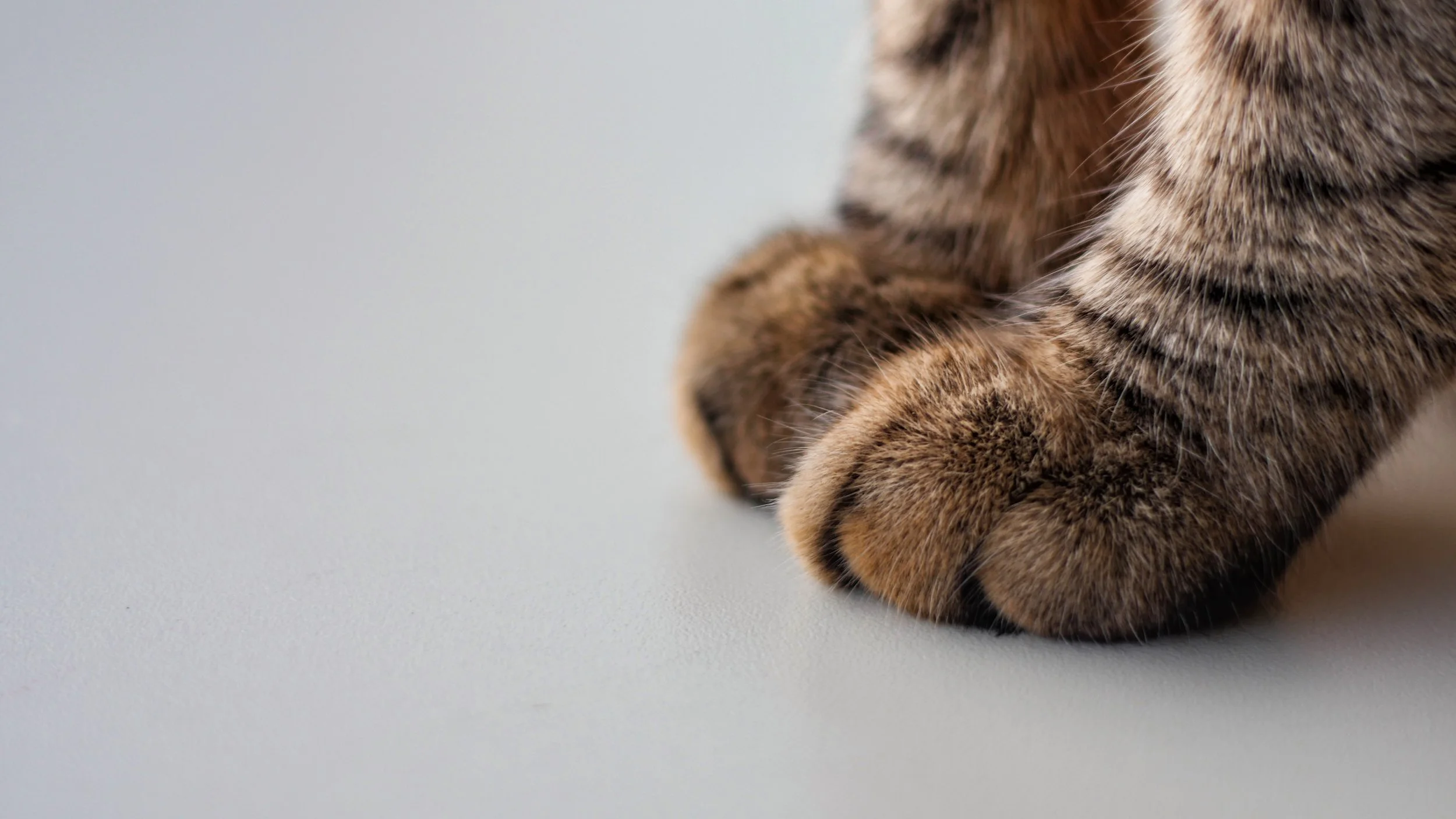
Believe it or not, even indoor cats who never step foot on snow still can get chapped paws in the wintertime. For those cats who are lucky enough to go outside in a catio or another controlled setting, they are even more at risk!
The cold, dry, winter air can be tough on your cat’s paws – and when mixed with carpet, lots of activity, or worse yet, irritating substances like salt and ice melt, it can take a real toll on their delicate beans. Just like human lips and skin, when their paws chap too much, they can crack and bleed.
Signs Your Cat’s Paws Need Attention
It’s important to remember that cats are experts at hiding their discomfort, so it’s on you to check their paws periodically and look for some of the more common signs. These include:
· Dry, flaky, or rough paw pads
· Small cracks or splits in the skin
· Redness or irritation
· Excessive licking or chewing at paws
· Hesitation to walk on certain surfaces
· Bleeding, limping, or swelling – *If you notice any of these symptoms, talk to your veterinarian to see how they can help.
How to Soothe and Protect Your Cat’s Paws
Use a Cat-Safe Paw Balm
Specially formulated paw balms can help moisturize and protect paw pads. Look for products made specifically for cats, free of essential oils, fragrances, or harsh chemicals. Apply a small amount and gently massage it into the pads.
Your cat will be tempted to lick their paws afterwards, so make sure to massage it into the pads as much as possible. This is also why it is so important that the balm be 100% cat safe.
Petroleum Jelly in Small Amounts
Technically, it is safe to use, but since your cat will be tempted to lick their paws after application, do not overuse petroleum jelly on cracked pads. It can cause digestive upset and, in some cases, diarrhea.
Increase Indoor Humidity
Dry air is a major enemy of healthy, hydrated paws. Something as simple as setting up a humidifier can help maintain healthier moisture levels in your home, benefiting your cat and you, at the same time!
Wipe Paws After Outdoor Exposure
If your cat goes outside, even if just in a catio, it’s important you gently wipe their paws with a warm, damp cloth when they come back inside. This removes any salt, ice melt, and debris that can cause irritation or cracking. It also warms the pads back up and gives them a bit of moisture after being out in the cold!
Avoid Harmful Ice Melt Products
While we do not condone letting your cats outside, unless in a controlled setting, we realize some owners do. If you insist on letting your cats out, do them the favour of not putting down salt, and if you need a de-icing product, do some research to find one that is pet-safe. If you see a cat or any pet, step on salt or a de-icing product, the best thing you can do is wash their paws.
What Not to Use on Your Cat’s Paws
While you might think nothing of it, most household products are not cat-safe. Avoid the following:
· Human lotions or creams
· Products containing essential oils
· Petroleum jelly in large amounts
· Medicated ointments, unless prescribed by a vet
Remember: cats groom themselves frequently, so anything applied to their paws must be safe if ingested.
When to See the Vet
If your cat’s paws remain cracked despite home care, or if you notice signs of infection such as swelling, discharge, or limping, a veterinary visit is mandatory. Persistent paw issues can sometimes signal allergies, skin conditions, or underlying health concerns, and if there is an infection, it is imperative that they receive proper medication before it can do serious damage.