
How to Introduce Change Without Stressing Your Cat
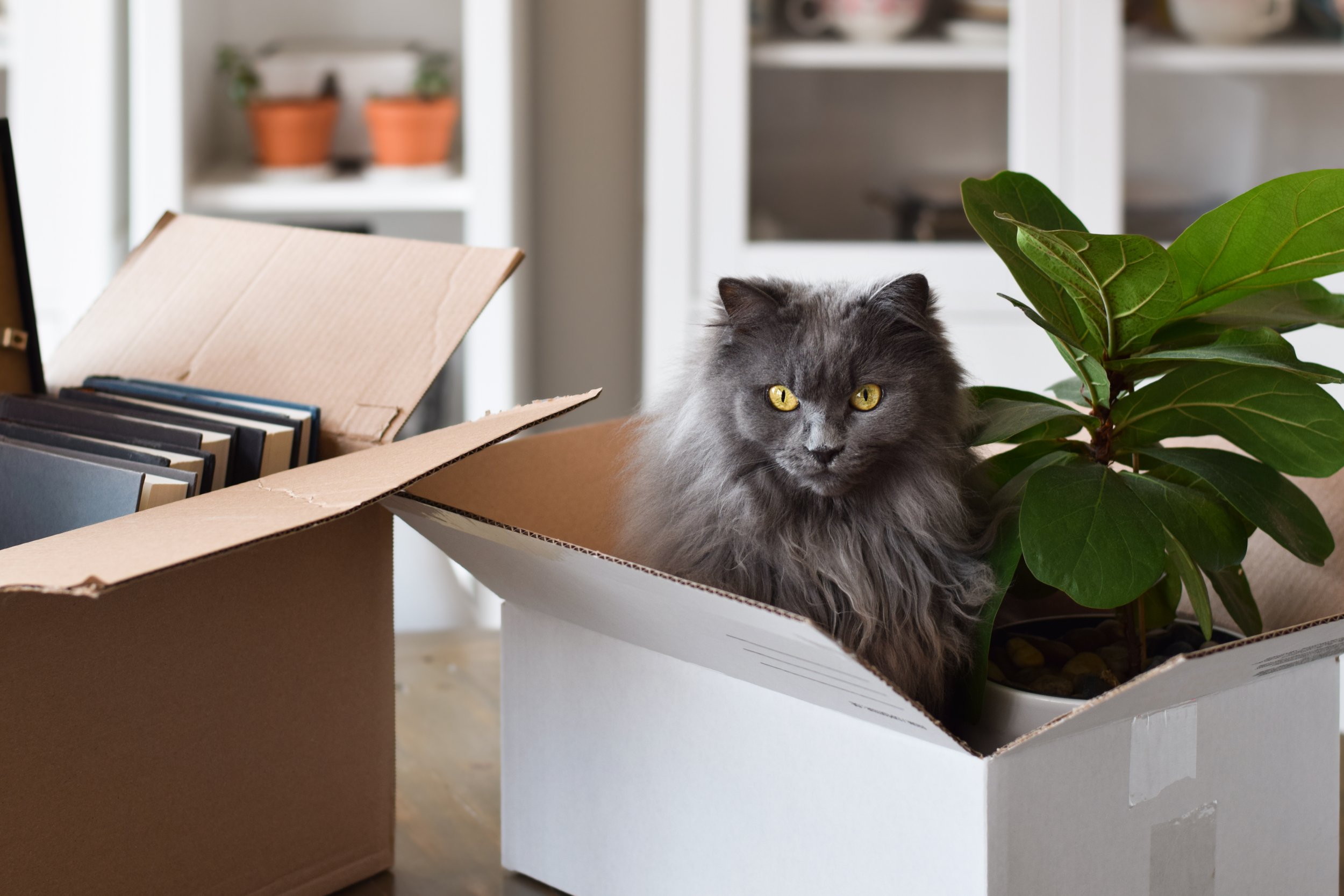
Cats are creatures of habit. While humans may thrive on novelty and predictability, cats find comfort in only the latter. For a cat, even small changes in routine can feel overwhelming. A new couch, a schedule shift, or a houseguest may seem minor to us, but to a cat, it can disrupt their sense of safety and control.
Why Change Is So Stressful for Cats
Cats rely heavily on familiar sights, smells, and routines to navigate their world. Since they do not share a common language with us, their environment acts as a safety map, and when that map suddenly changes, it can trigger anxious or defensive behaviours.
Stress in cats doesn’t always manifest dramatically; it can often appear as subtle shifts in behaviour, such as hiding more often, reduced appetite, over-grooming, or changes in litter box habits.
Not all stressors are obvious. Moving to a new home is a well-known challenge, but smaller changes can have an impact, too. Rearranging furniture, adjusting feeding times, returning to work after being home more often, or even seasonal changes in light and noise can all disrupt your cat’s routine.
Go Slow
When possible, introduce changes as slowly as possible and in stages. If you’re moving or rearranging a space, allow your cat to explore one room at a time. When changing food, transition gradually over several days. Small, predictable steps help your cat adapt without feeling overwhelmed.
During times of change, consistency becomes especially important. Try to maintain regular feeding times, play sessions, and bedtime rituals. These familiar moments reassure your cat that even if the environment is shifting, their core needs will still be met.
Give Your Cat Choice and Control
Cats feel safer when they have options. When moving furniture, build in multiple resting spots, hiding places, and vertical spaces so your cat can feel secure. Never force interaction or exploration and instead allow your cat to approach new situations on their own terms.
Be sure to keep an eye out for any signs that your cat may be struggling. Flattened ears, tail flicking, withdrawal, changes in vocalization, or litter box issues can all indicate stress. If behavioural changes persist or worsen, talk to your vet to rule out potential medical issues.