
How to Make the Ideal Outdoor Space for Your Cat
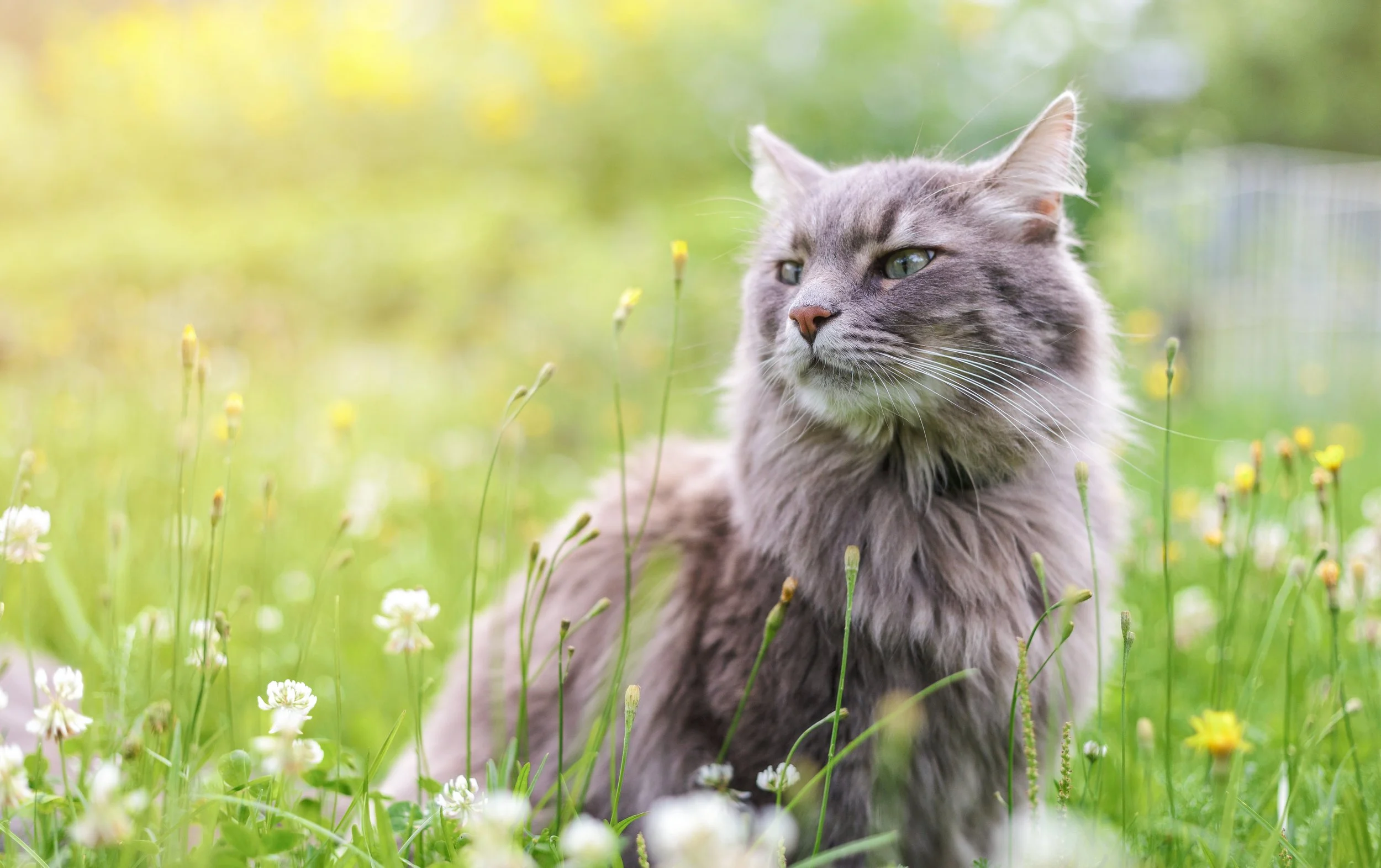
Fresh air, sunshine, birds chirping in the distance – it's no surprise that many cats are fascinated by the outdoors, all their favourite things are there! While the outside world offers exciting sights, sounds, and smells, it can also pose serious dangers to our feline companions. Traffic, predators, toxins, diseases, and the risk of getting lost are just a few of the hazards that outdoor cats face.
At The Hervey Foundation for Cats, we do not recommend allowing cats to roam outdoors unsupervised. However, with the right precautions, you can create a safe outdoor space where your cat can enjoy nature under the safe supervision of their humans.
Here are some ideas for creating the purr-fect outdoor oasis for your feline friend.
Why Outdoor Safety Matters
Cats are naturally curious and adventurous. While this curiosity is part of what makes them such wonderful companions, it can also get them into trouble. Unsupervised outdoor cats face risks such as:
· Vehicle traffic
· Predators and aggressive animals
· Exposure to parasites and diseases
· Toxic plants and chemicals
· Becoming lost or stolen
· Injuries from falls, fights, or accidents
Providing a secure outdoor space allows your cat to enjoy enrichment and stimulation without these dangers.
Consider a Catio
One of the safest and most popular options is a catio – a fully enclosed outdoor structure designed specifically for cats.
Catios come in many sizes, from small window boxes to large backyard enclosures. They allow cats to feel the breeze and sunshine, watch birds and wildlife, explore new scents, and play safely.
These structures are not typically available at your neighbourhood Home Depot or Walmart and often need to be built by specialists or from scratch.
Note: catios should be built next to a window or door so the cats can come and go freely in the house. Structures without access to the house leave cats exposed to the elements and sometimes without a place to go to the bathroom.
Cat-Proof Your Backyard
If you have a fenced yard, you may be able to create a larger outdoor area for your cat.
Before allowing your cat into the space, carefully inspect the entire perimeter. Cats are expert climbers and surprisingly talented escape artists.
Some cat owners install inward-angled fence extensions, specialized cat-proof fencing systems, or roller bars that prevent climbing over fences. Remember, a standard backyard fence is often not enough to contain a cat – especially if it is under six feet tall.
Even in a cat-proofed yard, supervision is strongly recommended.
Add Cat-Friendly Enrichment
Once you've secured the space, make it fun! There are a few elements you should try to touch on to make something your cats truly adore.
Climbing Opportunities
Cats love to observe their surroundings from above. Outdoor cat trees, sturdy shelves, ramps, and platforms can help satisfy their natural desire to climb.
Safe Hiding Spots
Provide covered areas where your cat can retreat if they feel overwhelmed. Small shelters, tunnels, and weatherproof cat houses can make your cat feel secure.
Cat-Safe Plants
Many cats enjoy sniffing and nibbling plants. Consider growing:
· Catnip
· Cat grass
· Valerian
· Silver vine
Always research plants before introducing them to your cat's environment, as many common garden plants can be toxic.
Interactive Features
Keep your cat mentally stimulated with:
· Outdoor toys
· Puzzle feeders
· Hanging toys
· Bird feeders positioned outside the enclosure
Don't Forget Comfort and Weather Protection
Cats can overheat quickly in warm weather and become uncomfortable in cold or wet conditions.
Make sure your outdoor space includes:
· Shade throughout the day
· Covered areas for rain protection
· Comfortable resting places
· Access to fresh water
*Always bring your cat indoors during extreme weather conditions.