
The Most Harmful Cat Myth: Household Cats Will Survive or Thrive Outdoors if Abandoned
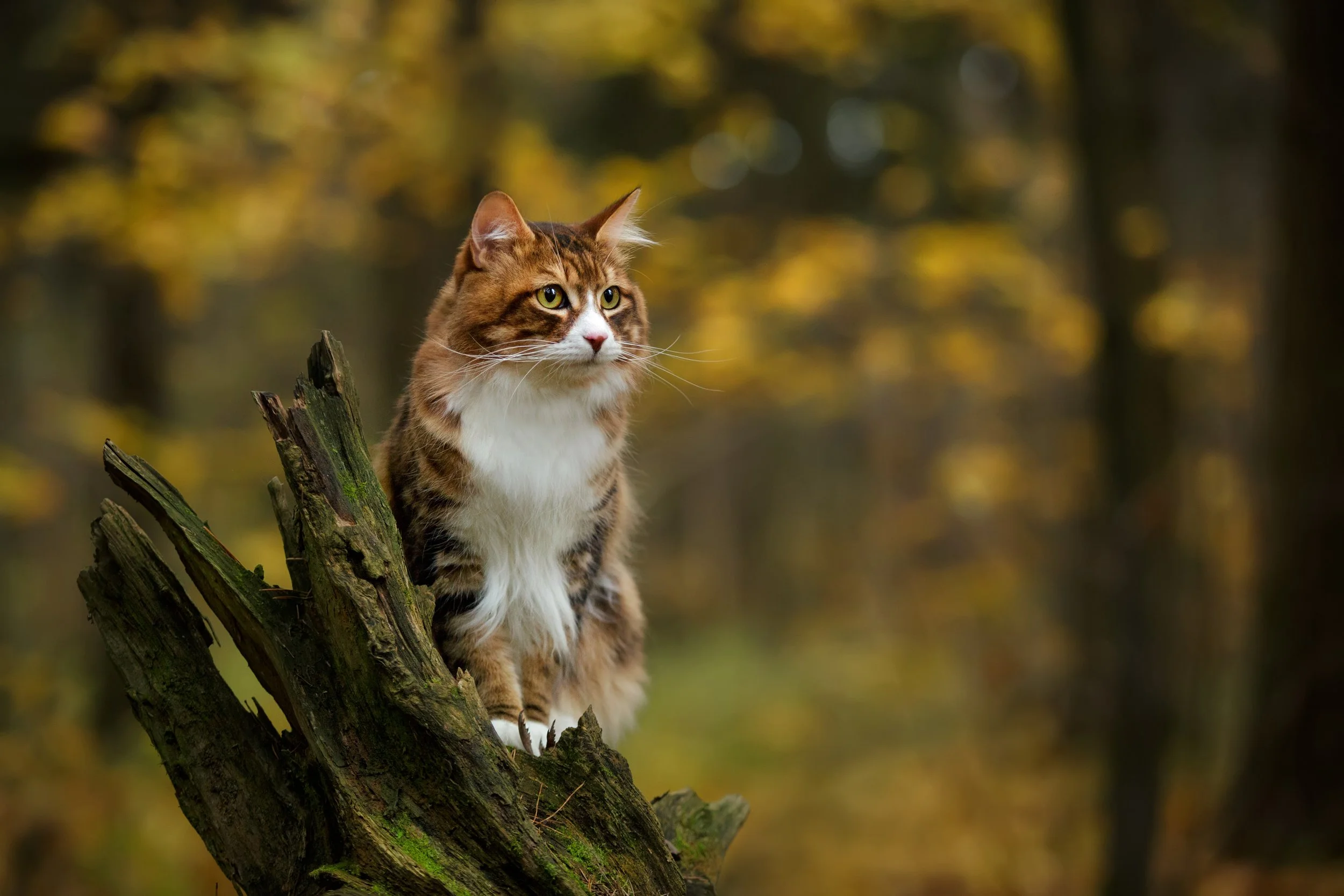
There are a lot of myths about cats. They have nine lives. They always land on their feet. They drink milk. They are aloof and don't really care about their people.
But perhaps one of the most harmful myths is the idea that a household cat can simply fend for itself if it is left outside. After all, cats are natural hunters, right?
This is one of the most harmful mindsets that results in the unnecessary deaths of thousands, perhaps more, every year. Once a cat has lived in a home for most all of its life, it no longer has the same mindset as a wild animal. It is so used to routines with humans, it often cannot survive out in the wild and succumbs to things like hunger, cold, or worse yet, disease or attacks from other animals.
Surviving Isn't the Same as Thriving
One of the biggest problems with this myth is the word survive.
Yes, some cats can survive outdoors for a period of time. Cats are adaptable animals, and their instincts can help them find food, avoid some dangers and locate places to hide. This is considered a best-case scenario in most cases.
A cat might survive while constantly searching for food. It might survive while being exposed to freezing temperatures, extreme heat, parasites, injuries or disease. It might survive while avoiding predators, other animals and traffic.
That isn't the same as living a good life.
Think about the difference between saying, "I could probably survive camping without a tent," and saying, "I would be perfectly happy living outside year-round."
Those are two very different statements, and we haven’t even touched on the fact that most don’t survive very long in these situations.
Cats Are Hunters, But That Doesn't Make Them Wild
Cats are indeed natural predators. Even a perfectly content indoor cat may happily stalk a toy, pounce on a feather wand or catch the odd mouse that runs through the house or yard. Those instincts are still there.
But having hunting instincts doesn't mean a household cat is prepared to live independently in the wilderness. A pet cat has spent generations living alongside people.
Many cats have also spent their entire individual lives depending on humans for food, shelter, veterinary care and protection.
A cat left on the side of the road is going to instinctively long for their food bowl, bed, and other familiar things… that just aren’t there.
A cat needing to catch enough food every single day, while simultaneously finding safe shelter and avoiding illness, injury, predators and other territorial animals, is not an animal that will likely live a long, happy life.
The Great Outdoors Is Full of Hazards
For an indoor cat, the outside world can look like an enormous playground. There are birds to watch. Bugs to chase. Trees to climb. Interesting smells everywhere. What we don't always see from the window are the dangers.
Cars and other vehicles pose an obvious risk. Cats can also encounter unfamiliar dogs, wild animals and other cats. Territorial fights can result in serious injuries, while bites and scratches can transmit infections and diseases.
There are parasites, toxic plants and substances, contaminated water and diseases that an indoor cat may have little or no exposure to.
And then there is the weather. Extreme cold can become life-threatening, particularly when a cat doesn't have reliable access to appropriate shelter. Extreme heat can also pose a major threat.
A cat doesn't need to be completely helpless outdoors for the environment to be dangerous. It just needs to encounter a situation it isn't prepared to handle.
The Myth We Need to Retire
The idea that "cats can take care of themselves" sounds harmless, but in reality, it can create a dangerous assumption: that if a cat gets outside, it will simply figure everything out.
Cats are remarkably adaptable animals. They're intelligent, athletic and equipped with instincts that have helped their species thrive for thousands of years. But your cat isn't a miniature wild animal waiting to be released.
They're an animal that has evolved alongside humans and, in many cases, has come to depend on us for the basics of a safe and healthy life.