
How Your Mood Affects Your Cat
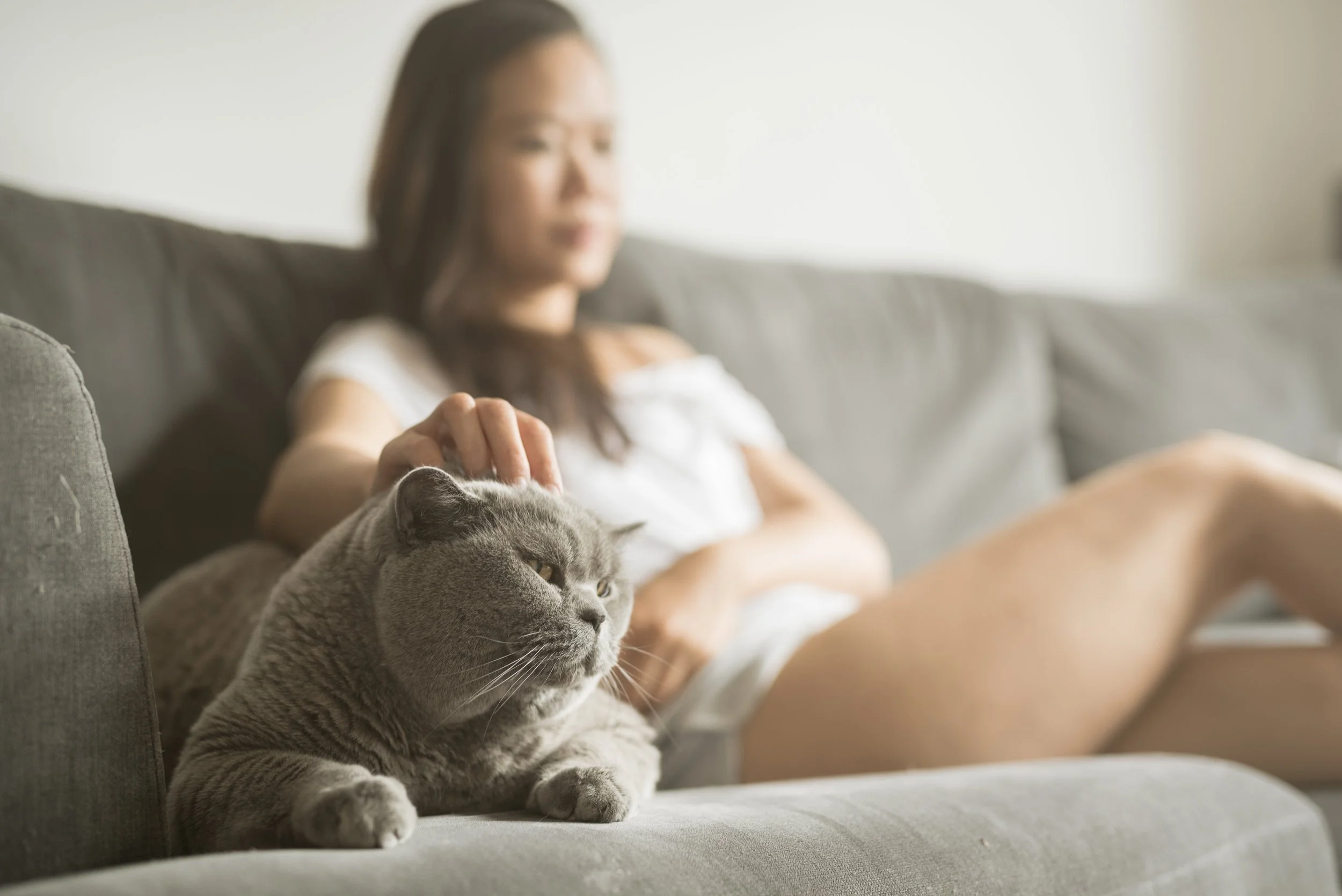
If you own a cat, you may have noticed they seem to key into your mood – especially when something is wrong, or you are upset.
Ironically known for their independence, cats are incredibly in tune with their people. Your mood, energy, and even subtle changes in behaviour can have an impact on how your cat feels. Additionally, your cat’s behaviour can have a positive effect on you!
Masters of Observation
Being right in the middle of the food chain, cats are, above all else, observers. In the wild, survival depends on both spotting potential predators and prey in an ever-changing environment. Their instincts are finely tuned for this type of existence, and it shows.
At home, you make up a big part of their environment. You provide attention, love, and food. Your cat needs to be able to anticipate your behaviour since they cannot communicate directly.
As a result, your cat is constantly picking up on:
· Tone of voice
· Body language
· Movement patterns
· Daily routines
Even small shifts – like moving more slowly, sighing more often, or skipping part of your routine – can signal to your cat that something is different.
Cats can also sense stress. While you might think you’re doing a good job of hiding it, your feline is likely picking up on way more than you realize. When you’re stressed, your movements may become tense or abrupt, your voice may change in pitch or rhythm, and even your scent can change slightly due to hormones.
Cats are incredibly sensitive to these changes. Some may become more cautious or withdrawn, while others may become clingier, staying close as if to check in on you.
A Tense Home is a Difficult Home
Regardless of how tense, a home filled with human tension is one that will affect a cat negatively. Some people might brush it off like it’s not a big deal because their cats are still cuddly sometimes, but every single time there is yelling or a lot of stress at home, your cats will feel it, with lots of cats choosing to hide more often, become more aggressive or defensive in their behaviour, and exhibit signs of anxiety.
On the flip side, a calm and predictable environment tends to produce a more relaxed and confident cat.
One of the most powerful things you can do for your cat is also one of the simplest: maintain a sense of calm and consistency.
Cats thrive on predictability. When your mood is steady, it reinforces that the environment is safe.
Why Some Cats Are Extra Affectionate When You’re Feeling Down
Ever notice your cat sitting on your chest, curling up beside you, or gently head-butting you when you’re feeling low? This is not a random occurrence. Cats often respond to emotional shifts by increasing social contact. While some maintain it’s a learned behaviour, it could also be a form of bonding.
While we can’t say cats understand emotions the way humans do, they clearly recognize when something has changed – and many choose closeness over distance.