
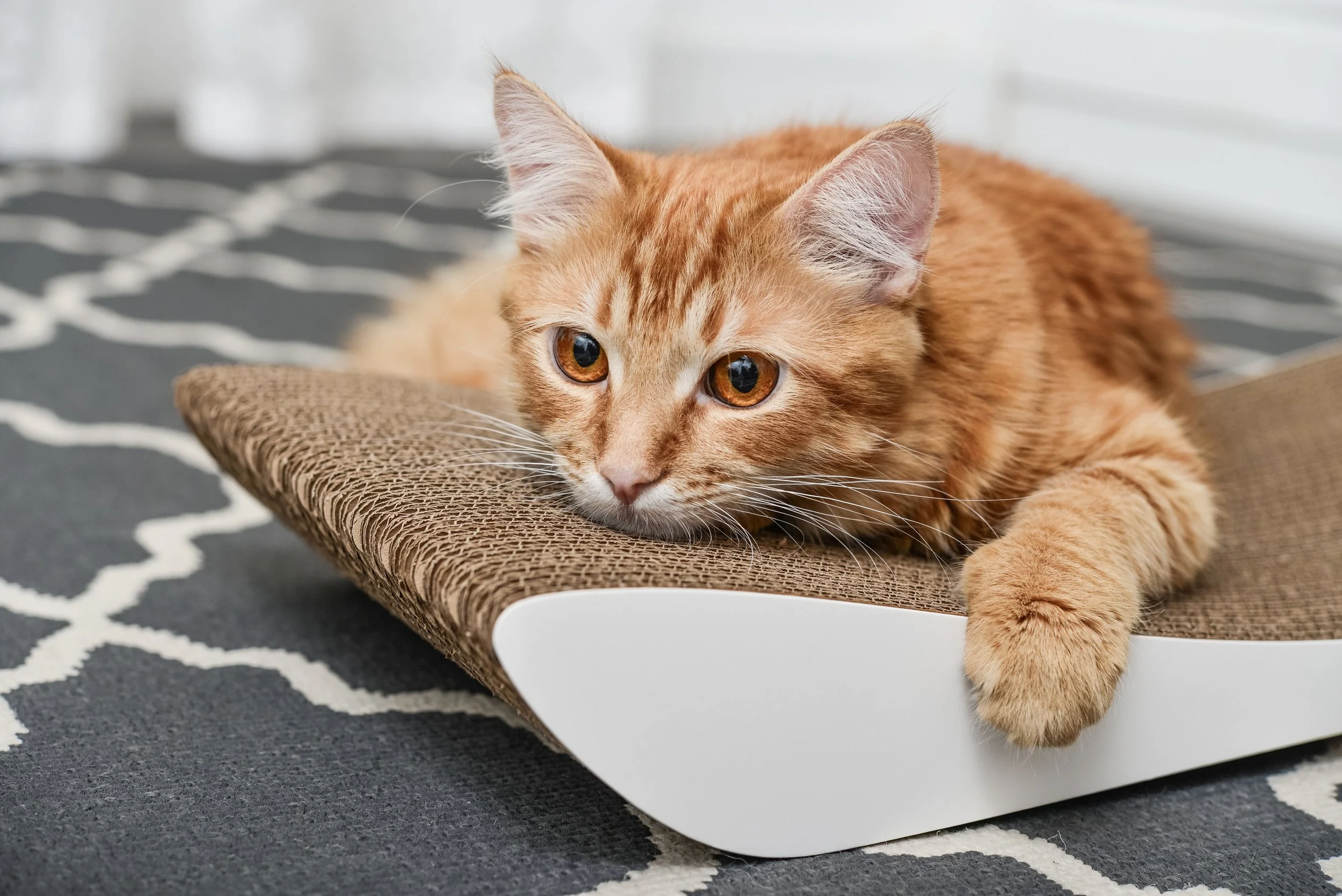
Cats are known as calm, cool customers… most of the time. Did you know, however, that beneath that calm exterior, they’re surprisingly sensitive creatures. So much so, even subtle changes to their environments or routines can leave them feeling stressed out.
Here is where things get tricky. Cats aren’t always obvious about their stress, and instead of dramatic displays – such as those humans might display – are sidelined in favour of a quiet discomfort which can be misunderstood quite easily.
Here’s how to recognize the signs and what you can do to help your kitty relax again and feel safe.
Common Signs of Stress in Cats
1. Changes in Litter Box Habits
A sudden avoidance of the litter box can usually be a pretty good sign your cat is stressed, but so is them using it more often than usual. When cats are stressed, it’s pretty common for them to urinate or defecate outside of the litter box – so keep a close eye on yours if you notice a surge in strange “bathroom habits”.
2. Hiding More Than Usual
Cats love a cozy hiding spot, but if your normally social cat is suddenly spending most of their time under the bed or out of sight, it may be their way of coping with anxiety.
3. Increased Aggression or Irritability
A stressed cat may lash out at you or other cats. This typically comes in the form of hissing, swatting, or biting. This isn’t bad behaviour; it’s often a defensive response to feeling overwhelmed. When your cat exhibits this behaviour, remain calm.
4. Overgrooming or Undergrooming
Some cats respond to stress by excessively grooming, sometimes to the point of bald patches or skin irritation. This can be a real difficult problem to work on, requiring advice from a veterinarian and, in some cases, medications. Others may do the opposite and appear unkempt or greasy because they’ve stopped grooming altogether.
5. Changes in Appetite
Eating significantly more or less than usual can be a red flag. Stress can disrupt your cat’s normal eating habits, just like it can in humans.
6. Excessive Vocalization
If your cat is suddenly meowing more than usual – especially in a distressed or persistent tone – they may be trying to tell you something isn’t right. Meowing is not a method of communication between cats, but simply a way to get attention from humans. If their tone of voice changes or sounds more desperate, stress could play a factor.
7. Restlessness/Zoomies at Odd Times
While bursts of energy are normal, frequent, frantic behaviour, especially paired with other signs, can indicate underlying stress rather than simple playfulness.
How to Help Your Cat Relax
1. Create a Safe Space
Make sure your cat has a quiet, comfortable area where they can retreat when they feel overwhelmed. This could be a soft bed, a covered cat cave, or even a designated room.
2. Stick to a Routine
Feeding, playtime, and bedtime should happen around the same time each day. Predictability helps cats feel secure.
3. Increase Enrichment
Boredom and stress often go hand-in-hand. Interactive toys, puzzle feeders, and window perches can keep your cat mentally engaged and reduce anxiety.
4. Use Calming Aids
Pheromone diffusers or sprays can help create a sense of familiarity and safety in your home. These are especially helpful during big changes like moving or introducing a new pet.
5. Give Them Space
It can be tempting to comfort a stressed cat with extra attention, but sometimes the best thing you can do is let them come to you on their own terms.
6. Schedule a Vet Visit if Needed
If stress-related behaviours persist or escalate, it’s important to rule out underlying health issues. Your veterinarian can also recommend additional support if needed.