
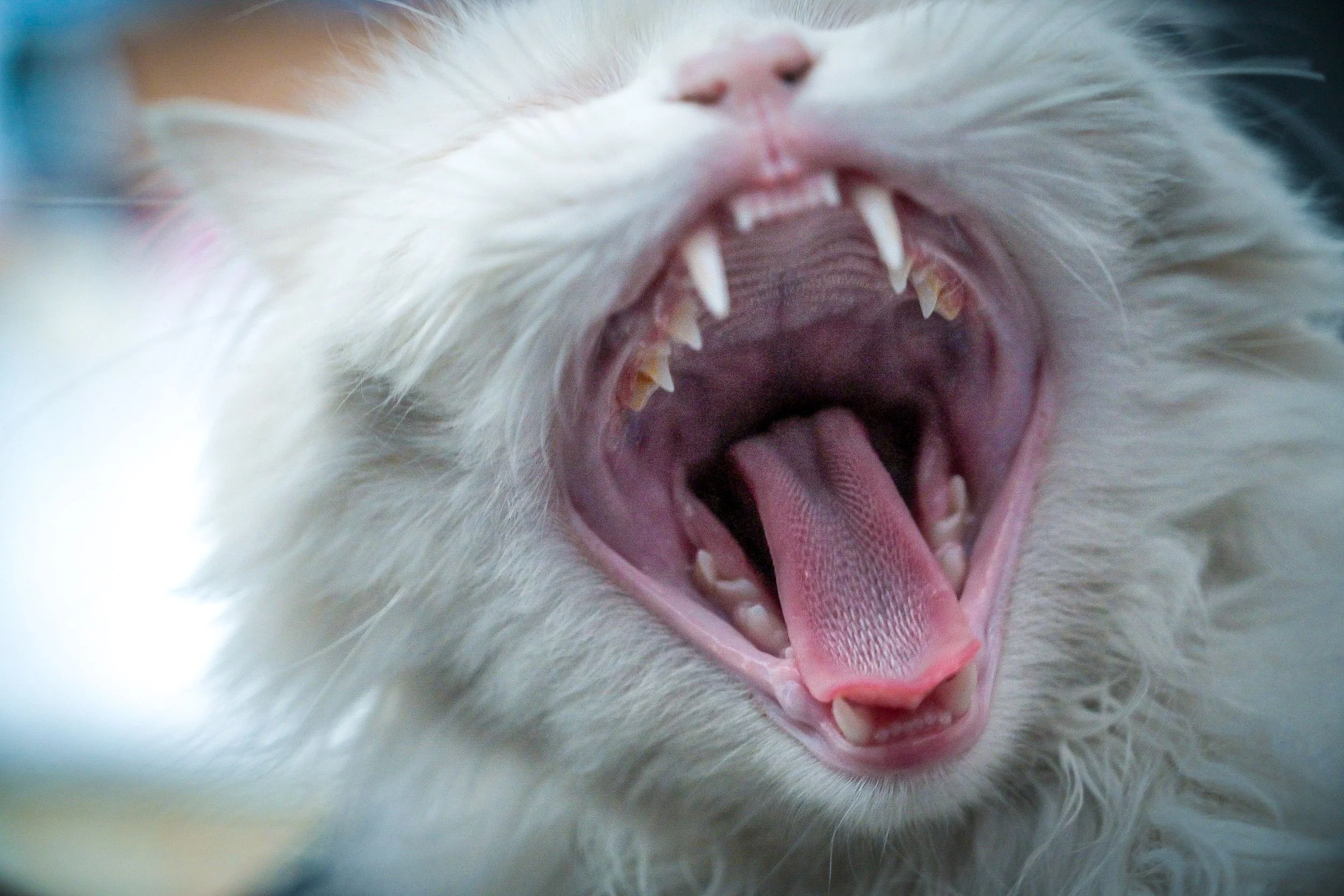
When we think about keeping our cats healthy, our minds usually go straight to the familiar essentials: providing nutritious food, fresh water, regular veterinary checkups, plenty of exercise, and a comfortable place to rest. Dental care, however, is something that can easily slip under the radar.
After all, cats aren't exactly known for flashing their pearly whites, and unless they happen to yawn directly in our faces, we don't spend much time inspecting their teeth. Unfortunately, much like the human mouth, there is a lot more going on beneath the surface.
Dental disease is one of the most common health problems affecting cats, particularly as they get older. The good news is that with a little knowledge, regular attention, and preventative care, owners can help keep their cats' teeth and gums in much better shape.
Let's take a closer look.
What's Happening Inside Your Cat's Mouth?
Just like humans, cats develop plaque on their teeth. Plaque is a sticky film made up of bacteria, food particles, and other substances that naturally accumulate on tooth surfaces.
If plaque isn't removed, it can gradually harden into tartar, and once that develops it becomes much harder to remove without professional dental cleaning.
Over time, the accumulation of plaque and tartar can irritate the gums, resulting in gingivitis. This causes inflammation, redness, and sometimes bleeding around the teeth.
If the condition progresses, it can develop into periodontal disease, which affects the tissues and structures supporting the teeth. In more advanced cases, this can lead to painful infections, damaged supporting structures, and even tooth loss.
Unfortunately, cats are particularly good at hiding pain. A cat suffering from dental disease might continue eating, playing, and behaving relatively normally, even when its mouth is causing considerable discomfort.
That's why paying attention to all the warning signs, big or small, is so important.
Warning Signs That Your Cat May Have Dental Problems
Cats can't exactly tell us when they have a toothache, but their behaviour can offer some important clues.
Here are several signs that something might be wrong:
· Bad Breath: While cat breath isn't necessarily going to smell like a bouquet of roses, particularly unpleasant or persistent bad breath can indicate dental disease.
· Red or Swollen Gums: Healthy gums should generally be pink. Redness, swelling, or bleeding around the teeth can be signs of inflammation.
· Difficulty Eating: Your cat may chew more slowly, drop food from its mouth, favour one side when chewing, or suddenly prefer softer food.
· Drooling: Excessive drooling, particularly when accompanied by blood, can indicate oral discomfort or disease.
· Pawing at the Mouth: Cats experiencing dental pain may repeatedly rub their faces or paw at their mouths.
· Changes in Behaviour: Irritability, withdrawing from attention, reduced grooming, or becoming less interested in activities can sometimes be associated with dental discomfort.
· Visible tartar: Yellow or brown deposits along the gumline may indicate a buildup that needs veterinary attention.
It's important to remember that some cats show very few obvious symptoms, even when significant dental problems are present. Regular veterinary examinations are therefore essential.
If you notice any of these warning signs, arrange a veterinary examination rather than waiting for the problem to become more obvious.
How Can You Help Keep Your Cat's Teeth Healthy?
Fortunately, there are several ways owners can help maintain their cat's dental health.
Introduce Tooth Brushing: Brushing your cat's teeth is one of the most effective ways to help prevent plaque buildup. Ideally, this should be done daily using a toothbrush designed for cats and veterinary-approved feline toothpaste.
Never use human toothpaste on cats. Many products contain ingredients that aren't suitable for animals, and cats aren't able to rinse and spit like we do.
If your cat isn't accustomed to having its mouth handled, start slowly. Allow it to become comfortable with having its face and lips touched before gradually introducing a toothbrush.
Consider Veterinary Dental Products: There are a variety of dental products designed specifically for cats, including dental treats, oral gels, water additives, and specially formulated dental diets.
Some products have been evaluated by local veterinary councils, which recognize products that meet established standards for reducing plaque and/or tartar.
Look for products carrying your country’s appropriate seal when shopping for dental care options. However, remember that these products are intended to complement regular veterinary care, not replace it.
Schedule Regular Veterinary Examinations: Your veterinarian plays an important role in keeping your cat's mouth healthy.
During routine examinations, your veterinarian can check for signs of gingivitis, periodontal disease, damaged teeth, and other oral health concerns.
If significant tartar buildup or dental disease is discovered, a professional dental cleaning may be recommended. This generally involves cleaning beneath the gumline while your cat is under general anesthesia, allowing the veterinary team to properly examine and treat the teeth.
Don't be surprised if your veterinarian recommends a dental cleaning even when your cat seems perfectly healthy. Some of the most significant dental problems develop below the gumline, where they're difficult to see.