
Cats are wonderful companions, but unfortunately, they're not the only ones who appreciate their company. Fleas, ticks, mites and intestinal parasites are among the less welcome visitors that can affect our feline friends. Some are little more than an irritating nuisance, while others can cause significant health problems if left untreated.
While parasites might seem like something only outdoor cats need to worry about, the reality is that even indoor cats aren't completely immune. These unwanted guests can find their way into our homes in several ways, especially in homes with catios attached to the ground, making parasite awareness an important part of responsible cat ownership.
On the plus side, with a little knowledge, some preventative care and an occasional inspection, you can help keep your cat and your home parasite-free.
Fleas on Cats
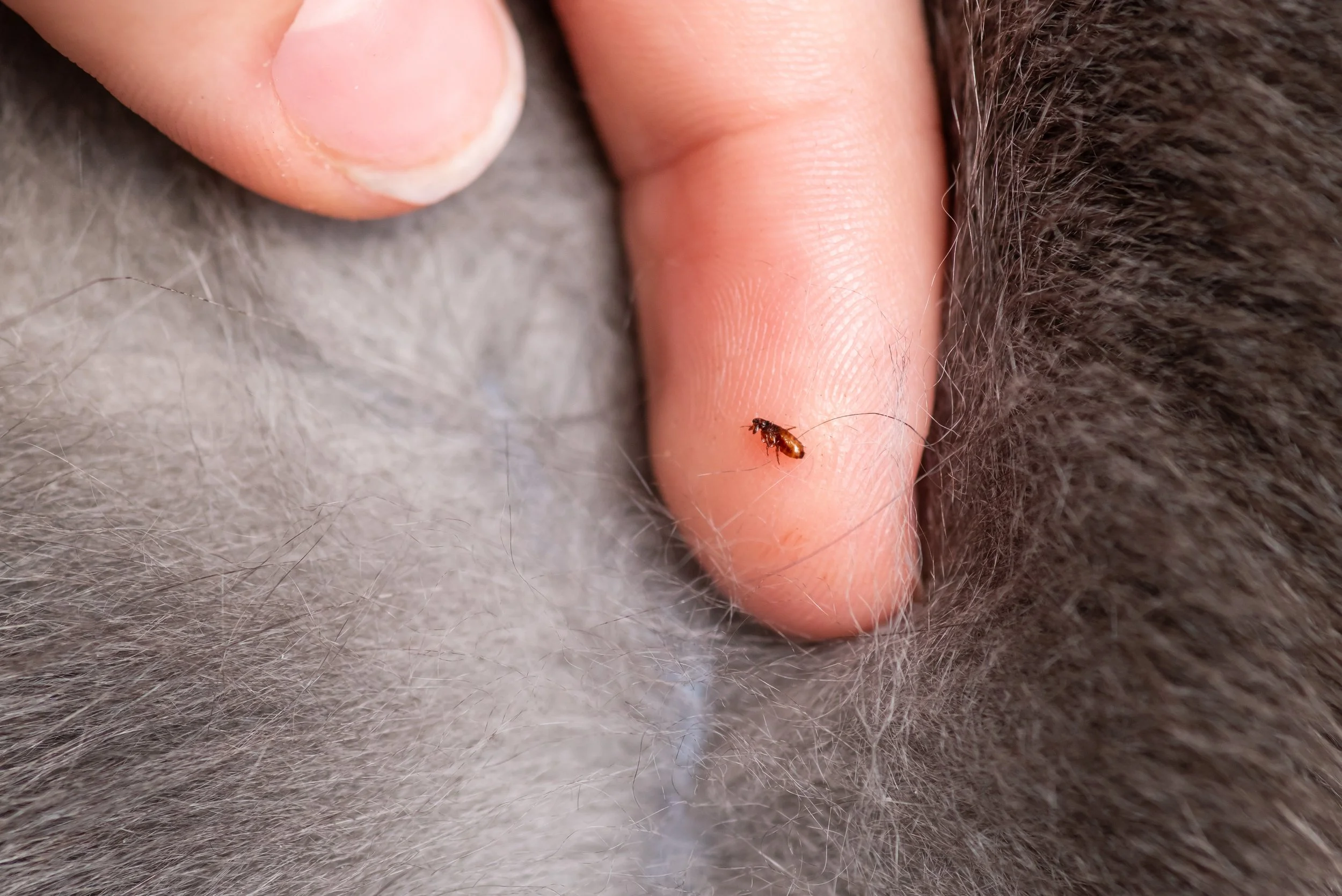
If there's one parasite most cat owners have heard of, it's the humble flea. These tiny, wingless insects survive by feeding on the blood of their hosts. Sadly, felines tend to struggle to remove them from their own bodies, making them particularly appealing targets.
Fleas are excellent jumpers, allowing them to move between animals and find their way into homes with surprising ease. They can hitch a ride on other pets, clothing, shoes or visitors, meaning an indoor cat can occasionally find itself dealing with an infestation without ever setting a paw outside.
One of the biggest challenges with fleas is that they're remarkably good at hiding. They tend to congregate around areas such as the neck, behind the ears and near the base of the tail. You might not actually see a flea, but there are other clues worth watching for.
Common signs of fleas on cats include:
· Frequent scratching, biting or excessive grooming.
· Small black specks in your cat's fur, sometimes called flea dirt.
· Red, irritated skin or small scabs.
· Hair loss, particularly around the back and tail.
· Restlessness or signs of general discomfort.
Ticks
Ticks are another parasite to keep on your radar – particularly for cats that spend time outdoors or have access to enclosed outdoor spaces.
Unlike fleas, ticks don't jump or fly. Instead, they wait in vegetation and attach themselves to passing animals. Once attached, they feed on their host's blood, sometimes remaining unnoticed for several days.
Ticks can be particularly difficult to spot because they often resemble small bumps or skin growths, especially before they've become fully engorged.
When checking your cat, pay particular attention to:
· Around the ears and face.
· Under the chin.
· Around the neck and shoulders.
· Between the toes.
· Under the legs and around the armpits.
Ticks can transmit certain infectious diseases, although the risks vary depending on the tick species and geographic location.
If you discover a tick attached to your cat, avoid squeezing, twisting or attempting to burn it off. Contact your veterinarian for advice on safe removal. If you're comfortable removing it yourself, use a proper tick-removal tool and follow veterinary guidance.
Ear Mites
Ear mites are microscopic parasites that live in the ear canals of cats and feed on debris and oils found within the ear. They're particularly common in kittens and cats living in multi-cat environments, where close contact makes transmission easier.
One of the most recognizable signs of ear mites is a dark, crumbly discharge inside the ears that can resemble coffee grounds.
Other warning signs include:
· Frequent head shaking.
· Persistent scratching around the ears.
· Redness or irritation inside the ears.
· Unusual odour.
· Sensitivity when the ears are touched.
Ear mites can cause considerable discomfort and, if left untreated, may contribute to secondary ear infections and other complications.
If you notice these symptoms, have your veterinarian examine your cat. Not every itchy ear is caused by mites, and several different conditions can produce similar symptoms.
Intestinal Parasites
Not all parasites live on the outside of your cat. Some take up residence inside the digestive system, where they can affect your cat's health without producing obvious symptoms. Common intestinal parasites include roundworms, hookworms, tapeworms and certain microscopic organisms such as Giardia.
Cats can become infected through several routes, including swallowing infected fleas, consuming contaminated food or water, contact with contaminated environments, or exposure to infected prey.
Some symptoms to watch for:
· Diarrhea or changes in stool consistency.
· Vomiting.
· Weight loss.
· A swollen or rounded abdomen, particularly in kittens.
· Changes in appetite.
· A dull or unhealthy-looking coat.
Certain intestinal parasites can also pose a risk to people, particularly young children and individuals with weakened immune systems. Good hygiene, regular litter box cleaning and appropriate parasite prevention help protect everyone in the household.