
The Most Common Mistakes New Cat Owners Make
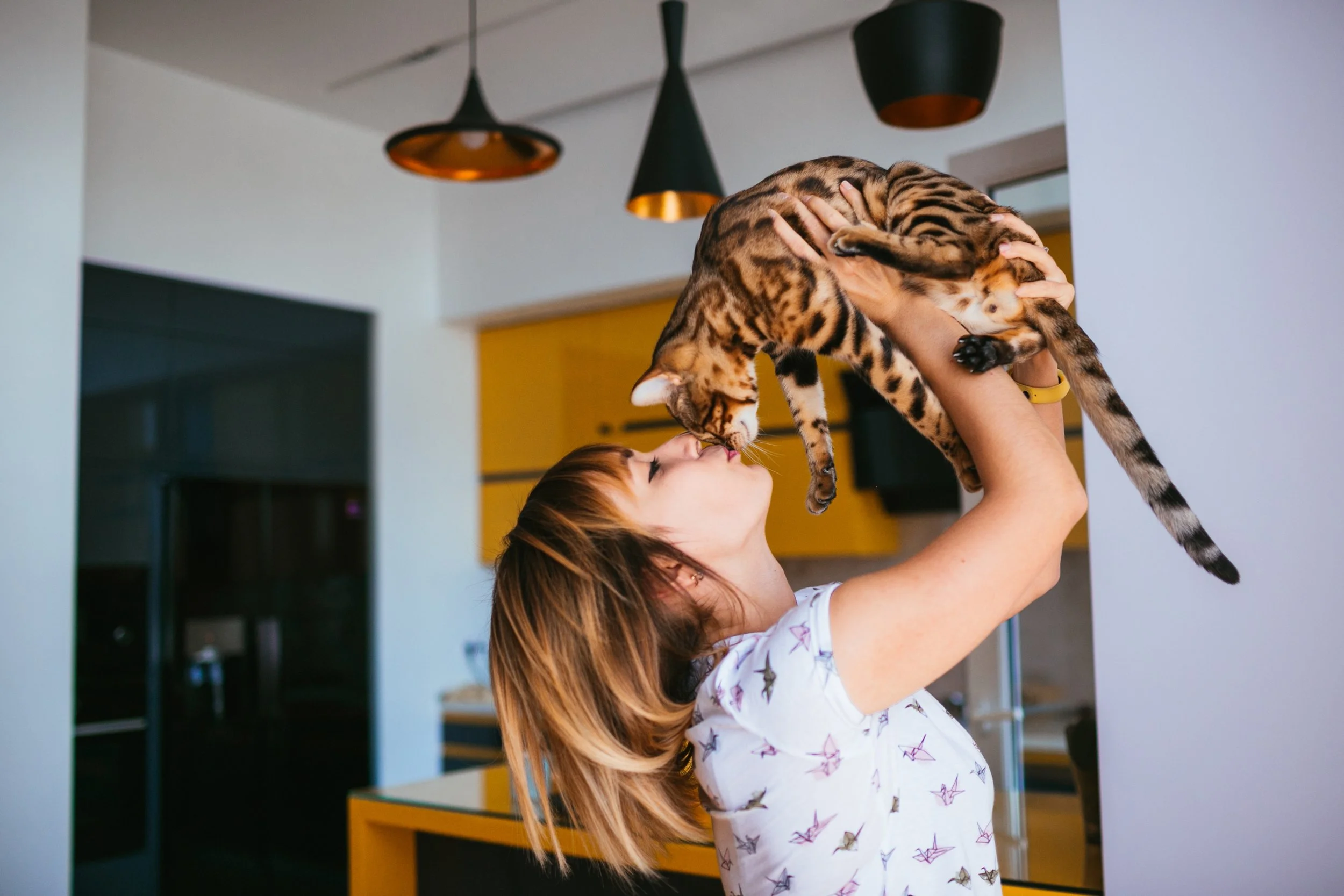
Bringing home a new cat is exciting. Regardless of whether you bring home a kitten or an older kitty, a cat of any age can disarm even the toughest of people and bring a new sense of love and purpose into a home. But while cats are often viewed as “easy pets,” many first-time cat owners quickly discover that they come with their own unique personalities, needs, and quirks.
Making a few mistakes when taking care of a new pet is completely normal – so don’t worry! We are going to go over some of the more common mistakes new cat owners make, including ways to tackle them on your own.
The good news? Most beginner mistakes are completely normal — and easy to fix once you know better. Here are some of the most common mistakes new cat owners make, along with simple ways to avoid them.
Assuming Cats Are Completely Independent
One of the biggest myths about cats is that they don’t need much attention. While cats are certainly more independent than many dogs, they still crave companionship, mental stimulation, and affection. As any veteran cat owner will tell you, their personalities are all different, but one common thread is their need for affection. Cats do not do well when they are isolated.
Cats can become lonely, bored, or even anxious if they are ignored for long periods of time. Some cats love cuddles, while others simply want to sit nearby and feel included in your daily life.
Not Providing Enough Enrichment
A bored cat can quickly become a destructive cat – going after everything from cardboard boxes to furniture and more. Scratching posts, climbing trees, puzzle feeders, and interactive toys help keep your cat mentally and physically active, but they are not a replacement for one-on-one time.
Having their own toys is important, but spending time with their owner is irreplaceable.
Punishing Natural Cat Behaviours
Cats do not think the same way humans do, so you aren’t going to get a whole lot done by yelling at them. While some may see this as an inconvenience, it’s also an exercise in patience. Just as there is a lot we can teach our cats, there is also plenty they can teach us.
Yelling at a cat for scratching furniture or jumping on counters often causes confusion or fear rather than teaching them a lesson. Instead of punishment, redirect the behaviour.
If your cat scratches the couch, provide a scratching post nearby. If they climb onto shelves, adding a cat tree can help reduce it. Cats have instincts to scratch, climb, hunt, and explore, so you’re better off working with those instincts instead of against them.
Ignoring the Importance of Litter Box Placement
Many new cat owners place the litter box in a place where it’s most convenient for humans rather than the cat. Cats favour quiet, accessible, low-stress locations. A litter box placed beside loud appliances or in a busy area may discourage your cat from using it consistently.
Additionally, if you bring home a kitten, you likely need to put a litter box on each floor of your home until they are fully trained. Sometimes kittens forget where to go if there is only a litter box in the basement.
Another common mistake is not having enough litter boxes. A good rule is to put out one litter box per cat, plus one extra. It makes a huge difference in the happiness of your cat, and the smell!
Don’t forget to keep them clean! Cats are famously picky about bathroom hygiene.
Forgetting That Cats Need Vertical Space
Cats don’t just enjoy playing on the floor – they love height.
High perches allow cats to observe their surroundings, feel safe, and relax away from busy activity below. Without vertical spaces, some cats may feel stressed or trapped.
If you aren’t familiar with the concept of cave cats and tree cats, check out our blog on the subject! In short, most cats favour one or the other, or both, of being in an enclosed space low to the ground, or up high, observing the world going by.
Cat trees, shelves, window hammocks, or even cleared-off furniture can help your cat feel more confident and comfortable in their environment. Make sure you really lean into this one!
Skipping Regular Vet Visits
Because cats are masters at hiding illness, health issues can sometimes go unnoticed until they become serious. Routine veterinary checkups are essential, even for indoor cats. Preventative care helps catch problems early and keeps vaccinations, dental care, and overall wellness on track.
If your cat suddenly changes eating habits, grooming behaviour, energy levels, or litter box habits, it’s worth paying attention.
Expecting Every Cat to Behave the Same Way
Every cat has a different personality. While some are social butterflies, others are shy observers who need time to warm up. Some love being picked up, while others strongly prefer personal space.
New owners sometimes feel discouraged when their cat doesn’t instantly become affectionate. It’s important to remember that building trust with a cat takes patience, consistency, and respect for boundaries. In many cases, the quietest cats eventually become the most loyal companions once they feel safe.
Final Thoughts
No cat owner is absolutely perfect – especially in the beginning. The important thing is to continuously learn and adapt your approach as you get to know your cat’s needs and personality.
Cats may be mysterious creatures at times, but they’re also incredibly rewarding companions. With patience, understanding, and a little humour along the way, both you and your cat can settle into a happy life together!