
What Makes a Cat Feel Safe?
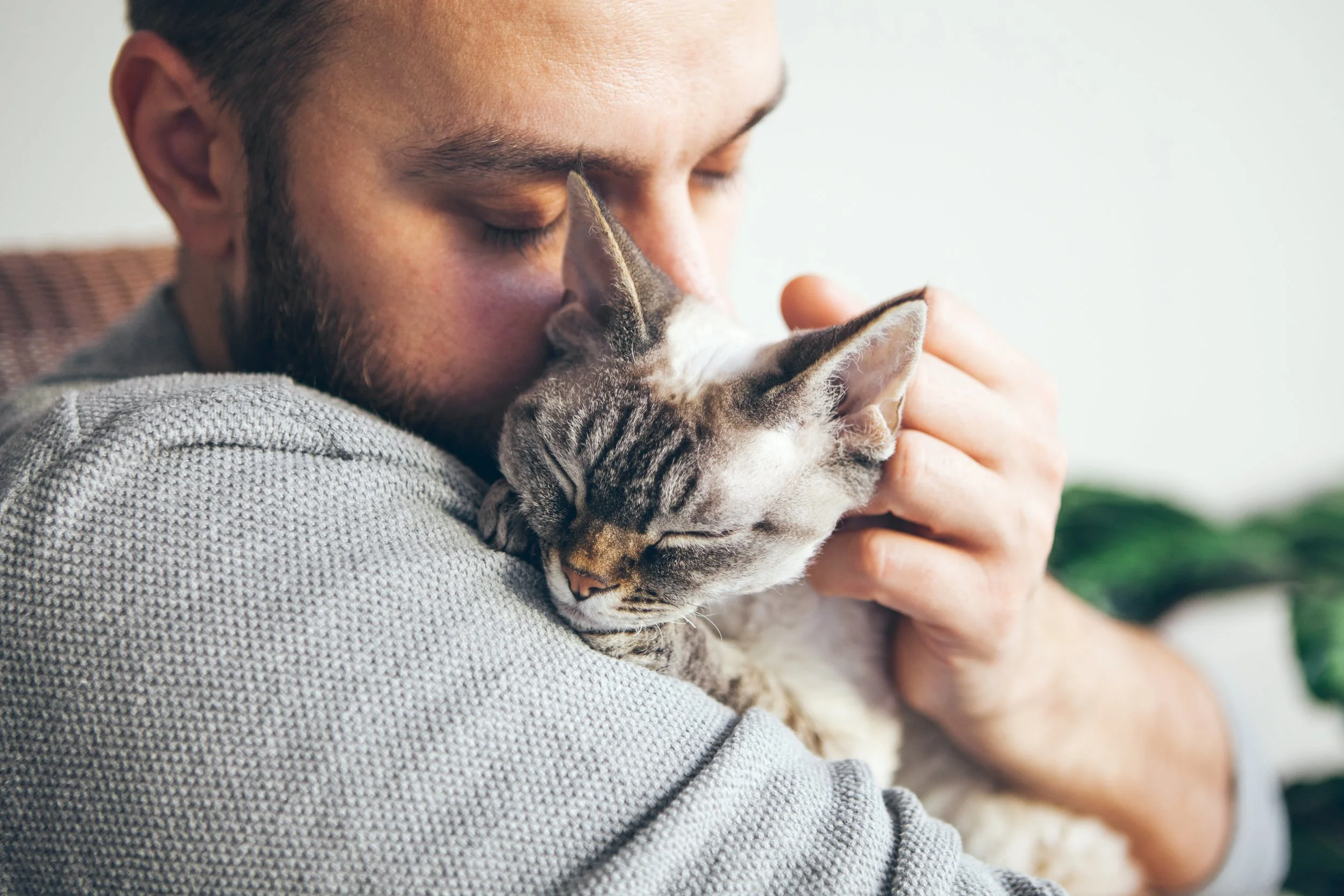
For cats, feeling safe is about a lot more than having a full food bowl and a comfortable bed. A cat's sense of security is shaped by its surroundings, daily routines, relationships and ability to retreat when the world becomes a little too much. When cats feel safe, they are more likely to relax, explore, play and build strong relationships with the people around them.
The Value of a Predictable Routine
Cats are creatures of habit. Since they cannot communicate with us, learning to anticipate our behaviour and figure out a schedule around the house goes a long way. Regular mealtimes, consistent litter-box cleaning, familiar bedtime routines and predictable interactions can all help reduce stress.
This doesn't mean your household needs to run like a military operation. Life happens! But maintaining some consistency can give your cat a reassuring sense that its world is stable.
A Safe Place to Hide
Every cat should have access to a quiet place where it can retreat when it wants some alone time. This might be a covered cat bed, a cardboard box, a carrier left open in a quiet corner or a favourite spot underneath a piece of furniture.
A hiding place isn't always a sign that your cat is unhappy or antisocial. In fact, knowing there is somewhere safe to retreat can make a cat more confident about exploring the rest of the home. This goes especially for cats who are adjusting to a new environment.
Familiar Scents
Cats experience much of their world through scent. Familiar smells can provide reassurance, while unfamiliar or strong smells can sometimes be unsettling.
This is one reason cats may become interested in blankets, beds or clothing that smell like their favourite humans. Familiar scents can help make an environment feel recognizable and safe.
When possible, avoid overwhelming your cat's space with strong fragrances, particularly around areas where they sleep, eat or hide.
The Ability to Make Choices
One of the most important, and sometimes overlooked, elements of feline security is choice.
Cats feel more confident when they can decide where they want to rest, whether they want to interact, where they would like to hide and when they are ready to explore. Allowing a cat to approach you rather than constantly reaching for it can help build trust.
This is especially important with shy, nervous or newly adopted cats. Giving them time and control over interactions can help them gradually learn that their new environment is a safe place.
Places to Get Up High
Many cats feel more secure when they can observe their surroundings from an elevated position. A cat tree, sturdy shelf, window perch or other safe elevated space allows them to watch the household from above while remaining out of the way.
Being up high can also give cats a sense of control over their environment. From their favourite perch, they can keep an eye on what is happening without necessarily having to participate.
Gentle and Respectful Interaction
Cats are individuals. Some love being carried around and cuddled, while others prefer sitting beside you rather than on you.
Learning to respect those differences is an important part of building trust. Pay attention to your cat's body language and allow them to move away when they have had enough interaction.
A cat that knows it can say “no, thank you” without being chased or restrained is more likely to feel comfortable initiating interaction later.
Security Takes Time
Perhaps the most important thing to remember is that trust doesn't always happen overnight. A newly adopted cat may need days, weeks or even longer to become comfortable in its new surroundings. A shy cat may need considerably more time than a confident one.
Give your cat the opportunity to explore at its own pace. Maintain a predictable routine. Provide places to hide and observe and offer affection without demanding it. Over time, those small acts of patience can help transform an unfamiliar house into a home.